
Cities
Our work spans seven diverse cities. Three Trailblazers cities and four Twin cities. . Each city with it’s unique geographies and societal contexts. By engaging local governments, businesses, and communities, we ensure that our interventions are well-anchored, adapted to the local context and designed to last. Our cities are currently developing their action plans, which detail how their projects will be implemented on the ground. Stay tuned for more details!
What is a trailblazer city?
Trailblazer cities are cities that have already shown strong engagement and achievements in uniting diverse communities through social spaces and food; nature based solutions; developing food literacy and strengthening community infrastructure. These three cities will be the first in the project to develop action plans, co-create place-based innovations for sustainble food environments and pilot these interventions in their communities. Learnings and insights from the trailblazer city projects will then inform and help shape the work of the project’s Twin cities.
Our trailblazer cities are Birmingham, Fundão, and Zagreb. Read more about them and their initiatives in the pages below.
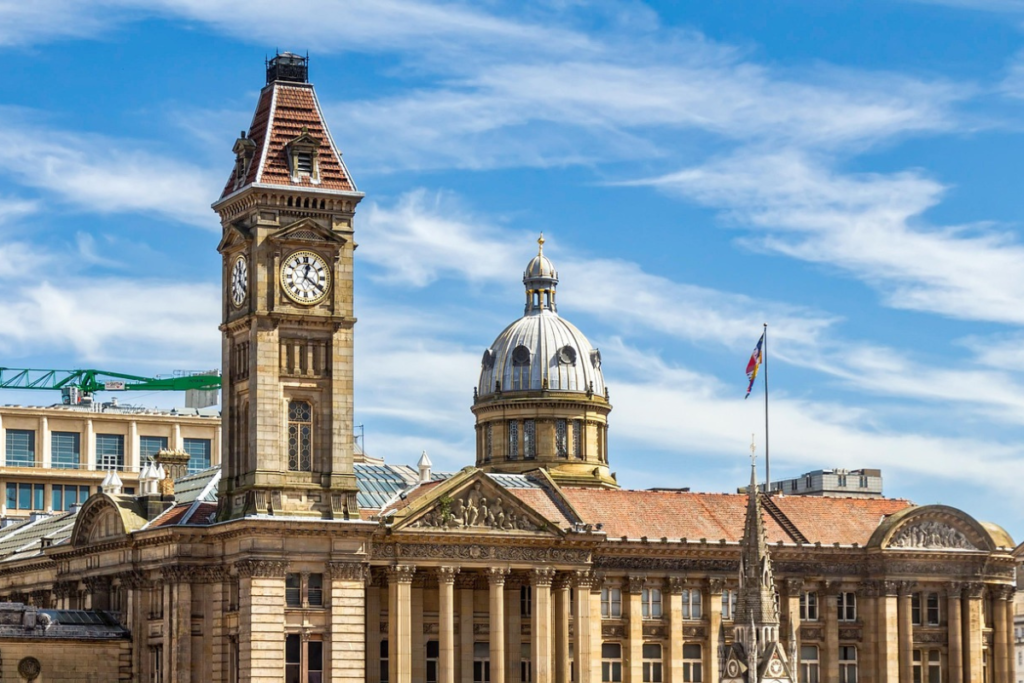
Birmingham, United Kingdom
Birmingham is England’s second largest city and the largest municipality in Europe. The city is renowned for its young and diverse population. Home to 187 different nationalities, it is one of the first super diverse cities in the UK, where ethnic minorities make up more than half of the population
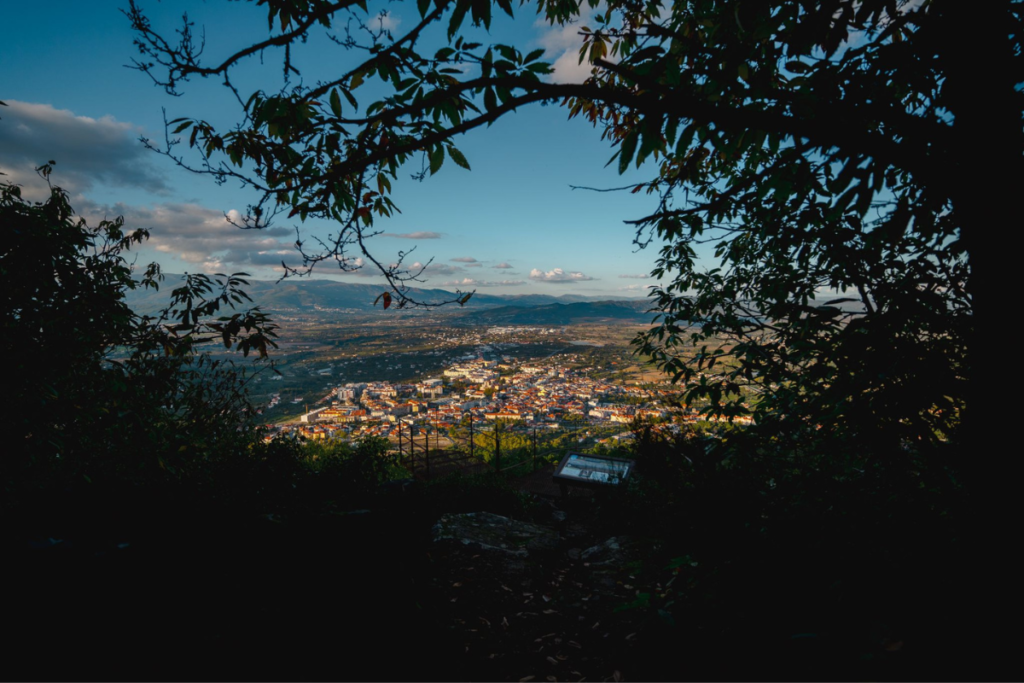
Fundão, Portugal
Fundão is a small town in the Central region of Portugal, in an essentially rural county. Since 2012, the Municipality of Fundão has been implementing the Fundão Innovation Plan, a smart territorial innovation strategy to reverse the scenario of economic weakness and population loss.
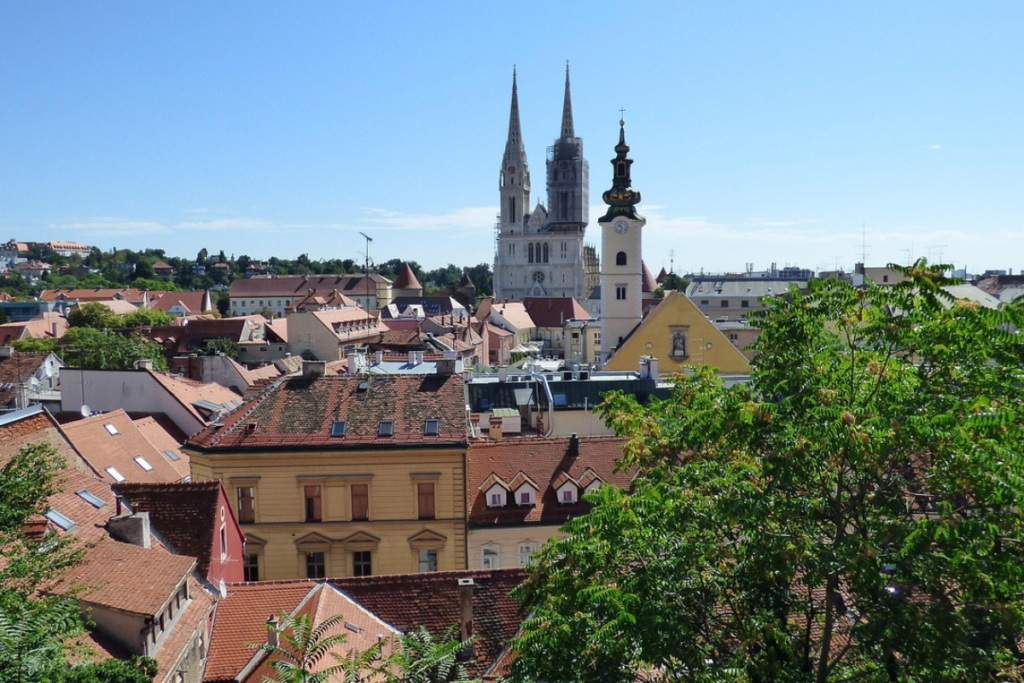
Zagreb, Croatia
Zagreb, positioned on the south-western edge of the Pannonian Basin and just 120 km from the Adriatic coast, serves as the gateway to the Adriatic for many Central European countries. This unique location blends Central European and Mediterranean influences, reflected in the city’s outdoor lifestyle and preference for locally sourced food.
What is a twin city?
Twin cities are cities with strong political will and commitment to strengthen their work in uniting diverse communities through social spaces and food; nature based solutions; developing food literacy and strengthening community infrastructure. Informed by the learnings from the Trailblazers’ projects, Twin cities will build upon these best practices, as they develop and implement their own locally tailored innovations for sustainble food environments.
Our twin cities are Murska Sobota, Ostend, Palermo, and Sarajevo. Read more about them and their initiatives in the pages below.
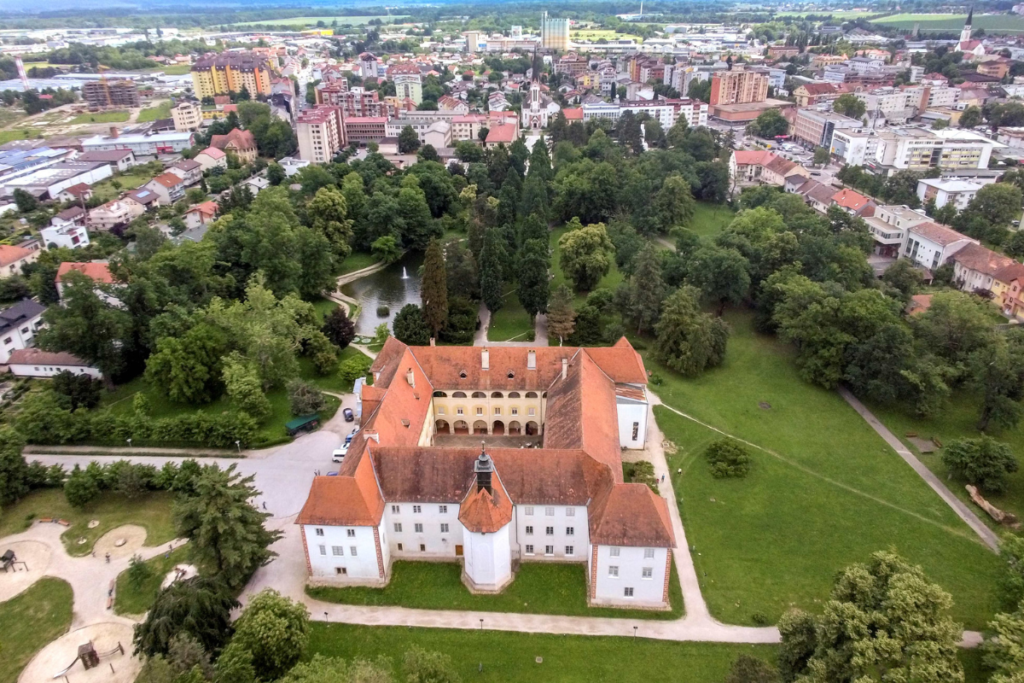
Murska Sobota, Slovenia
Murska Sobota is a town in northeastern Slovenia and will be represented by the Centre for the Development of Sustainable Society in the Bauhaus Bites project.
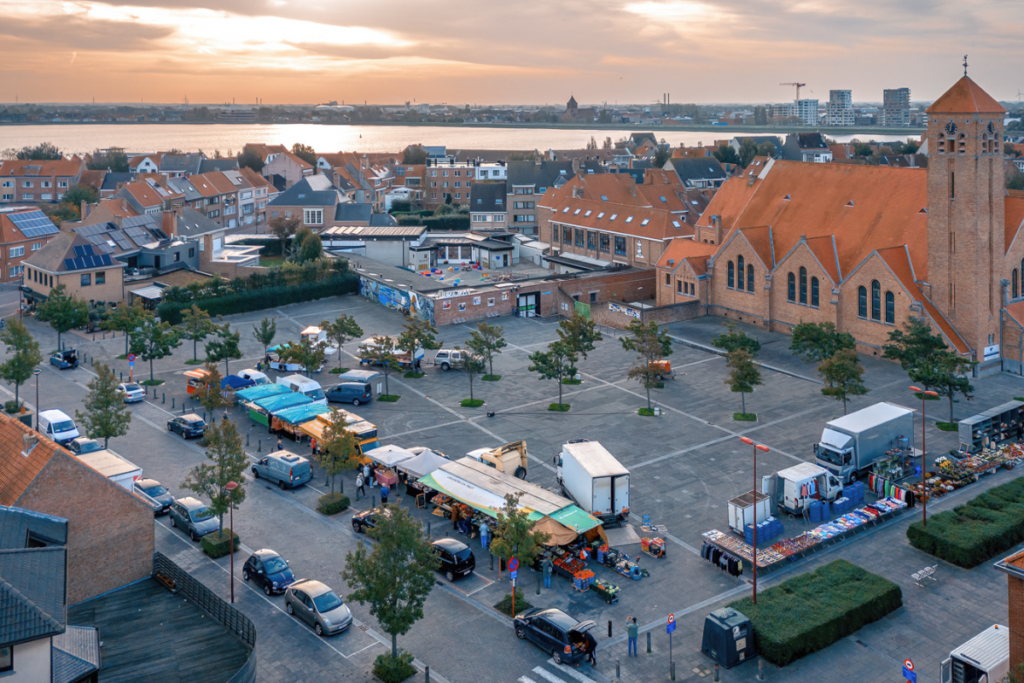
Oostende, Belgium
Ostend has a strong fishery history, with locally caught shrimp as the flagship species for the local fisheries. Except for the sea and the sandy beaches as its major attractors, Ostend has lots of other highlights in art, culture, leisure and green spaces
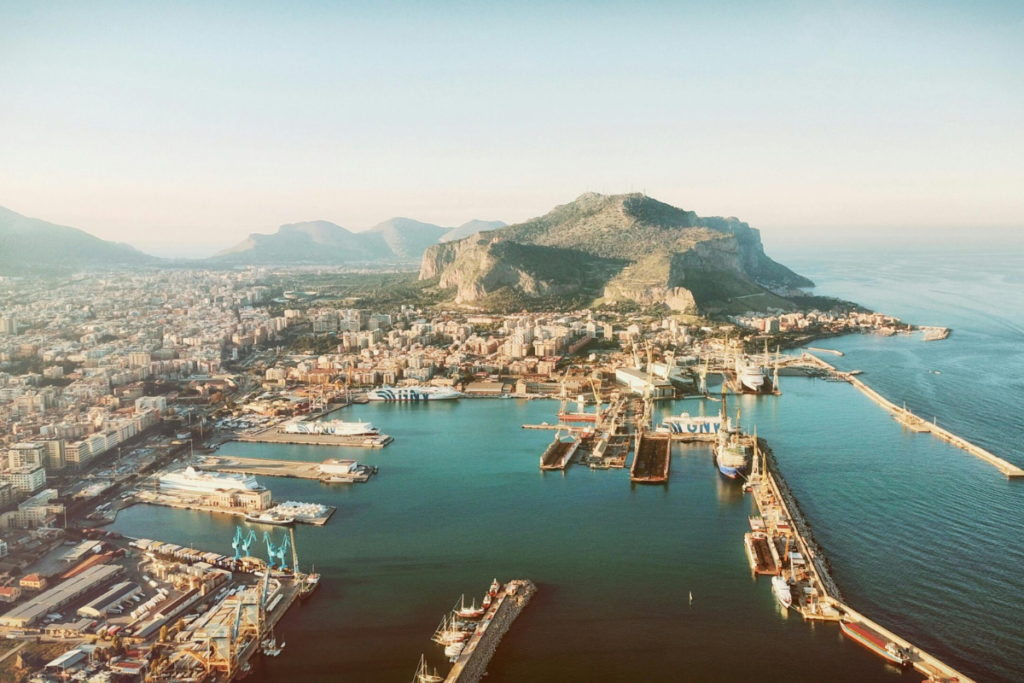
Palermo, Italy
Palermo – on the northwest of the island of Sicily by the Tyrrhenian Sea – is a cultural capital of Sicily. It is noted for its gastronomy and culture, that have played important roles over the city’s history spanning over 2 millennia.
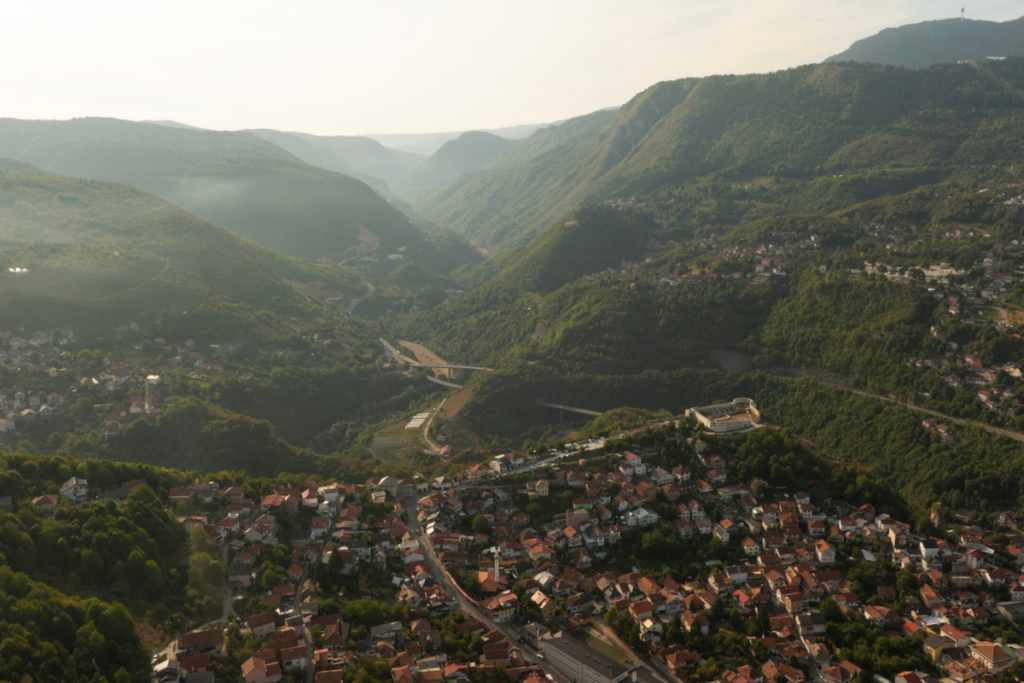
Sarajevo, Bosnia & Herzegovina
Sarajevo boasts a resilient food culture forged during the Siege of Sarajevo from 1992 to 1995. Residents, accustomed to scarcity, have a rich history of adapting their food practices.